


目次
Wine is an alcoholic beverage loved by people all over the world, both in the past and today. But are you familiar with VEGEA™, a sustainable vegan leather made from the “waste” produced during the wine-making process?
VEGEA™ is a 100% renewable alternative to real leather, and it's a new material that has caught the attention of luxury car brand Bentley and high-end brand Stella McCartney.
This time, we will introduce the appeal of VEGEA™, a vegan leather developed by an Italian startup company from the world's leading wine-producing country.
What is VEGEA, also known as wine leather?
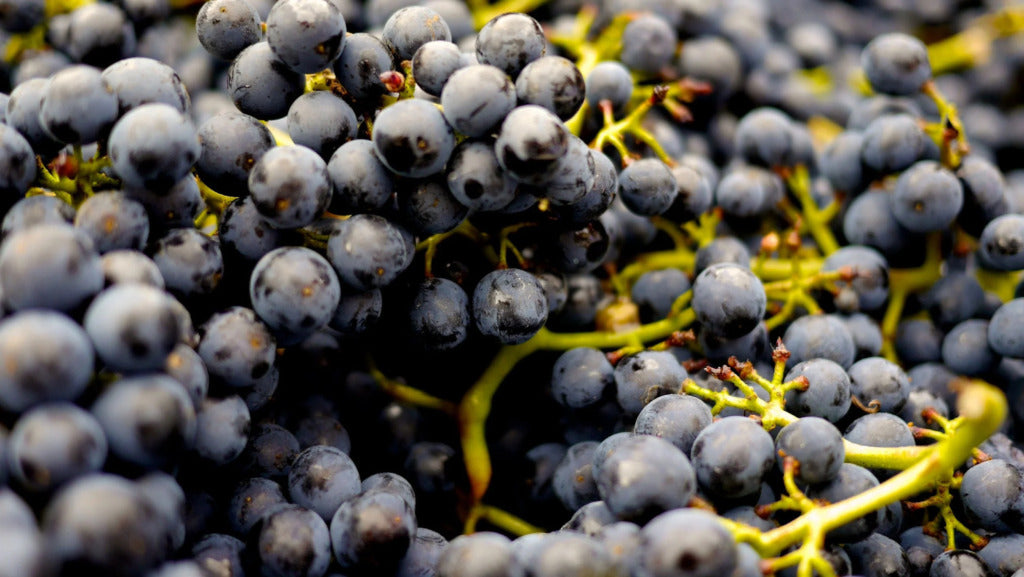
VEGEA™ is an innovative bio-leather made from "grape pomace," which is discharged during wine production.
It was developed by "Vegea Company," a startup established in Milan, Italy, in 2016. VEGEA™, also known as wine leather or grape leather, is made by blending grape pomace with vegetable oil and fibers, making it a 100% renewable and sustainable material derived from natural sources.
By the way, the company name and product name, VEGEA, is said to be named by combining "VEG" from VEGAN and "GEA" (Gaia) from the primitive goddess and Mother Earth.
As a complete leather alternative to animal-derived and petroleum-derived materials, Vegea Company, which develops and provides VEGEA™, won Horizon 2020*¹ in 2020 and was recognized by the European Union as one of Europe's emerging companies providing the best innovations in the millennial era.
*¹ A financial instrument implementing the European Union's largest innovation union.
How VEGEA is made
So, how exactly was VEGEA™, the cutting-edge vegan leather recognized by the European Union, born?
Giampiero Tessitore, founder of Vegea Company, an architect and interior designer, was looking for sustainable materials for furniture when he realized there were no alternatives to petroleum-based synthetic leather or animal-based real leather. He felt a need for sustainable alternatives, which became the catalyst for the development of VEGEA™.
Tessitore collaborated with the University of Florence and other research centers, beginning research into various plant fibers.
After three years of extensive experimentation and research, Francesco Merlino, an environmental scientist at the University of Florence and co-founder of Vegea Company, focused on the cellulose fibers and oils contained in the grape pomace discharged as residue during wine production. When he experimentally added vegetable oil to grape pomace, he succeeded in creating a polymer. Furthermore, he discovered that the fibers in grapes were ideal for achieving a texture similar to animal-derived leather, which led to the development of VEGEA™.
The production process from grape pomace to grape leather
VEGEA from Youtube.
Similar to apple leather, which utilizes apple orchard waste, VEGEA™ is made from grape pomace, including skins and stems, discarded by wine factories.
Grape pomace is sourced from Italian wine factories in collaboration with Vegea Company and dried at the VEGEA™ manufacturing plant. After drying, the pomace is crushed, impurities are removed, and then bio-oils extracted from hemp or rapeseed are added to liquefy it. This liquid is then coated onto a base fiber such as organic cotton, recycled cotton, or recycled polyester, and formed into a leather-like material, creating "VEGEA™."
Characteristics of VEGEA
VEGEA™ is made from plant-derived natural ingredients, but its finish has a luxurious visual and a texture similar to real leather, making it hard to believe it's plant-based.
It can be processed to various thicknesses and has excellent durability, having undergone repeated tests for strength, hardness, pressure, and flexibility, and clearing the standards of REACH*², the strictest European regulation set by the European Union.
*² Regulation concerning the Registration, Evaluation, Authorisation and Restriction of Chemicals established by the European Union.
Thanks to these characteristics, VEGEA™ can be used in a wide range of applications, not only in fashion but also in furniture and packaging.
VEGEA and environmental issues
Globally, approximately 27 billion liters of wine are produced annually. Consequently, the pomace from wine production, including grape stems, skins, and seeds, amounts to a staggering 7 billion tons each year. While some of this enormous byproduct is reused as organic fertilizer or animal feed, most of it is disposed of as industrial waste.
If this industrial waste is incinerated, a large amount of petroleum is used as fuel, which increases CO2 emissions and environmental burden. However, in the production of VEGEA™, about 2.5 kg of pomace from 10 liters of wine can produce 1 square meter of VEGEA™. Annually, 2.6 billion square meters of VEGEA™ can be produced, which can contribute to the reduction of industrial waste and CO2.
Furthermore, it is conceptually possible for old VEGEA™ products to be recycled and reborn as new VEGEA™ products. In the future, the company is considering actively promoting the circular consumption of VEGEA™ by, for example, distributing coupons to consumers who return old VEGEA™ products to retailers or recyclers.
As the production and consumption of VEGEA™ increase, it is expected that VEGEA™ will become available at a lower price in the future, making it easier for businesses and consumers to choose more sustainable options. This, in turn, is anticipated to lead to a reduction in the use and consumption of petroleum-derived and animal-derived leather.
In addition, harmful chemicals such as chromium and heavy metals, which are highly environmentally burdensome and a major problem in the tanning process of animal leather, are of course not used. Furthermore, traditional animal leather production uses large amounts of water, leading to severe water shortages and water pollution in leather-producing regions. However, VEGEA™ production uses almost no water, thus reducing water resource utilization.
VEGEA Product Development
VEGEA™ offers a ray of hope as a solution to industrial waste problems, environmental pollution, and resource shortages, but in its early days, there were challenges to mass production due to a lack of funding.
However, after winning the Global Change Award*³ in 2017 and securing a grant of 300,000 euros, it became possible to prepare for mass production.
*³ The Global Change Award was launched in 2015 by the non-profit H&M Foundation. It aims to support innovations for circular fashion across the entire fashion industry.
With preparations for mass production complete, VEGEA™ began efforts to commercialize dresses, bags, and shoes.
In July 2019, it made its debut at "MILANO UNICA," a material exhibition held in Milan, Italy, as a bio-based vegan leather alternative to chemically synthesized oil-derived materials. More than 600 interested manufacturers visited the VEGEA™ booth, and over 50 of them purchased small quantities during the event, drawing significant attention.
Also, around the same time in July 2019, VEGEA™ announced a collaboration with luxury car brand Bentley. The following year, a joint development with H&M was announced, and now Stella McCartney has also released products using this material, with its visibility increasing year by year.
Bentley 100th Anniversary Car EXP 100 GT
In 2019, British luxury car brand Bentley, celebrating its 100th anniversary, adopted VEGEA™ for the interior of its EXP 100 GT commemorative model.
With a luxurious texture and appearance comparable to real leather, VEGEA™ beautifully adorns the interior of Bentley's commemorative car. Grapes are the raw material for champagne and wine, and it seems that the compatibility with Bentley's luxurious image was another reason for VEGEA™'s selection.
Summary
VEGEA™ boasts an appearance and durability that are on par with real leather.
With advancements in technology leading to the creation of high-quality bio-vegan leathers, the options beyond sacrificing animals for leather or relying solely on petroleum-based synthetic leather are expanding.
As efforts toward SDGs become increasingly important, VEGEA™ is expected to garner even more attention from various industries.