


目次
What is Fruit Leather?
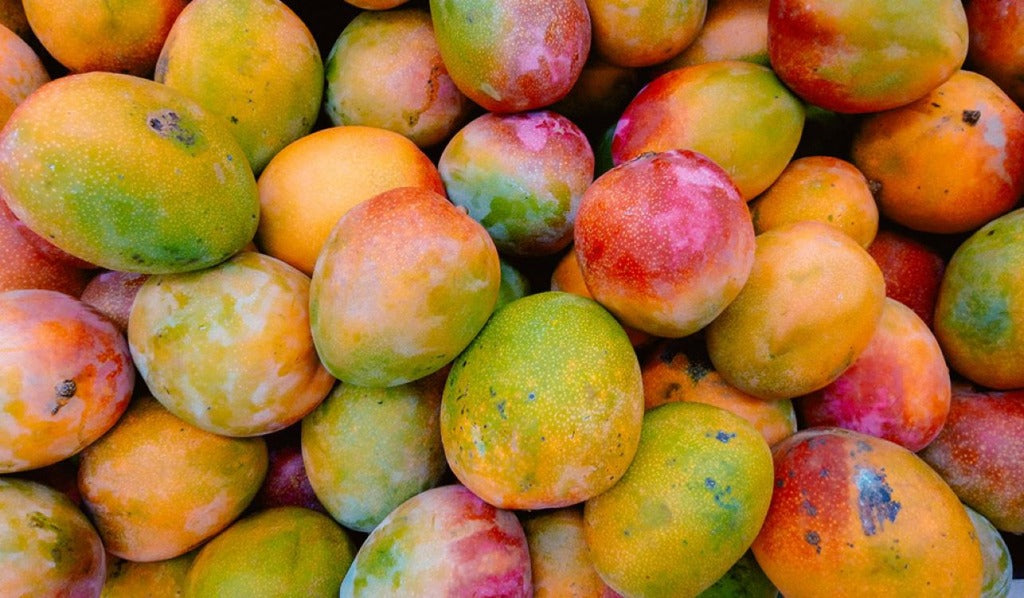
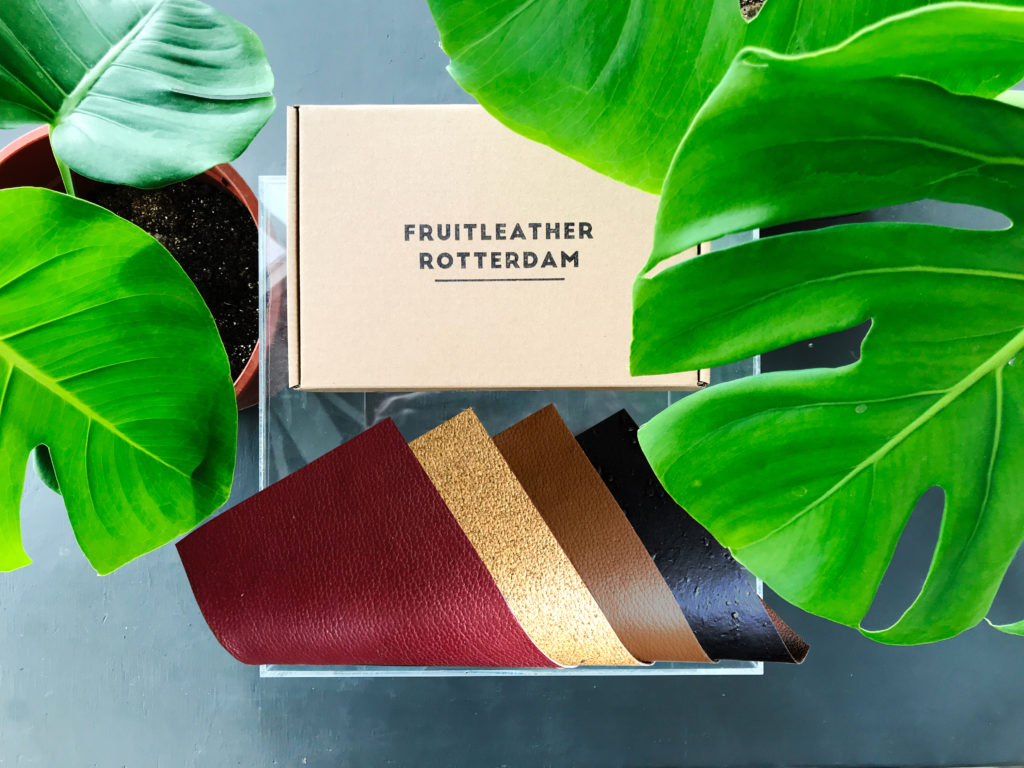
Fruit leather creates a durable, leather-like material from discarded fruit. Since it upcycles fruit that would otherwise be thrown away, there is no need to use new resources. Also, all the fruit used as raw material is collected from Dutch fruit importers, meaning the entire process from supply to manufacturing takes place domestically.

Development Background
Fruit leather was developed by two young designers based in Rotterdam, Netherlands: Koen Meerkerk (26) and Hugo de Boon (26). Their vision is not only to raise awareness about food waste but also to demonstrate how common waste can be actively utilized. Specifically, they aim to transform fruit leather into shoes and fashion accessories, and to enable its use in the interior design and furniture industries. It is also their vision that by combining the two worlds of fruit and leather, waste from the fruit industry can fundamentally transform the world of the polluted leather industry.

Food Loss Problem
Every year, 1.3 billion tons of food are thrown away worldwide. This amounts to about one-third of all food produced, including 45% of all fruits we produce for consumption. Furthermore, 30% of the world's agricultural land is used to produce food that will ultimately be discarded, and farmers tend to leave up to 40% of their harvest in the fields because it does not meet the standards for shipment to supermarkets, etc.
Developed Countries and Food Loss
In developed countries, there are several reasons why food produced for consumers goes to waste. Many of these reasons are due to retailers discarding food for its appearance. 10% of all greenhouse gas emissions in developed countries are produced by growing food that is never eaten. In addition to the problem of food waste, the production of animal leather is also an environmental issue. Over 1 billion animals are slaughtered each year, and the washing processes involved in manufacturing leather generate approximately 650 million kilograms of CO2 globally. It is now imperative to consider fruit waste not as mere residue, but as a valuable raw material for alternatives to leather.
Watch the Fruit Leather Manufacturing Process Video
Summary
Fruit leather, a technology developed over many years to create leather-like material from discarded fruit, has finally reached a practical stage. Commercialization of shoes, handbags, and other products is reportedly already underway.


"Fruit leather" could be a new solution to food loss and environmental problems. When the dreams of these two young designers eventually come true, the world will likely have changed significantly for the better. We will continue to follow their activities with great interest.