


目次
In the article "Vegan Fashion Lecture: Why is Leather Unacceptable?", we learned about general leather from cows and pigs. In this article, we will consider "exotic leather," another type of leather that differs from general leather. Let's delve deeper into the characteristics of the material, its differences from general leather, and the challenges it faces, all from a vegan perspective.
What is Exotic Leather?
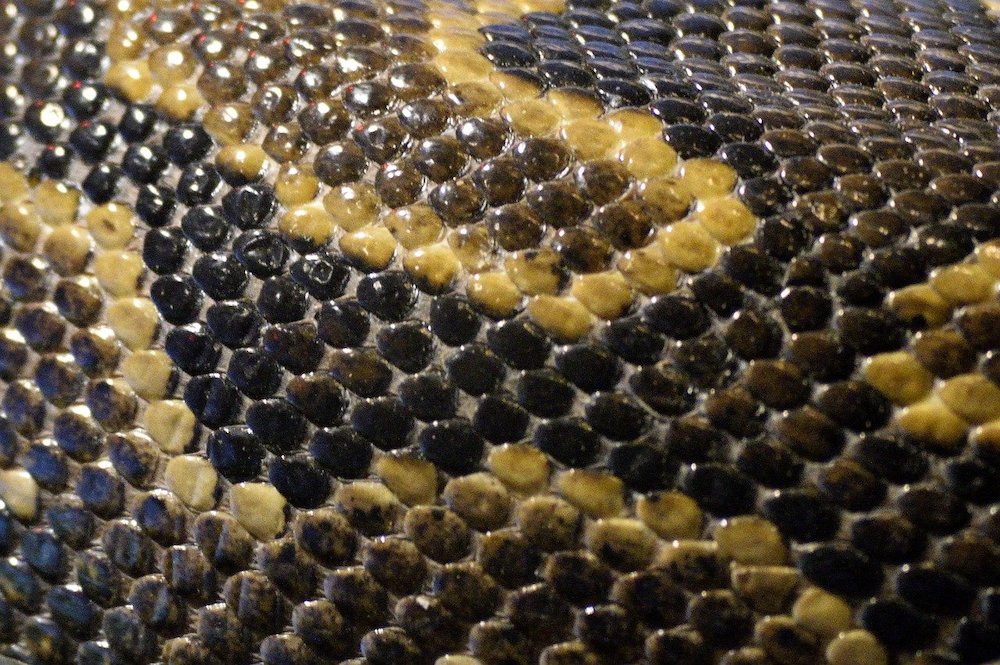
Exotic leather generally refers to leather derived from rare animals. Let's look at some specific types:
- Reptiles: Crocodiles, snakes, etc.
- Fish: Rays, sharks, etc.
- Mammals: Elephants, hippos, etc.
- Birds: Chickens, ostriches, etc.
Like general leather, exotic leather is characterized by its unique texture and feel. Leather from rare animals, especially reptiles and fish, possesses unique patterns and colors, and has been used for many years to create distinctive products. Furthermore, since exotic leather is made from the hides of animals that live in the wild, it also boasts excellent durability and water repellency. Leveraging these characteristics, it is used in the manufacture of various fashion items such as bags, boots, bracelets, and keychains.

What is the difference between general leather and exotic leather?
What is the difference between general leather (hereinafter referred to as "leather") and exotic leather?
The animals that serve as raw material for leather are primarily livestock such as pigs and cows. We also learned in the previous article that much of the hide used as raw material for leather production is a byproduct of meat processing.
On the other hand, exotic leather is produced using the hides of animals other than livestock. While crocodiles and snakes are now raised specifically for exotic leather production, originally, wild animals living in nature were captured, and their hides were stripped and processed into exotic leather. Therefore, unlike livestock, the number of animals that can be obtained is limited. This is why exotic leather has come to be known as leather from "rare animals."
Challenges Faced by Exotic Leather
In December 2020, are you aware of the open letter regarding leather sourcing that PETA (People for the Ethical Treatment of Animals), an organization advocating for the ethical treatment of animals, sent to a famous apparel brand?
This was an exposé in response to the brand's statements claiming to consider animal ethics in its sourcing. According to the letter, a certain crocodile farm in Vietnam subjected crocodiles to violent exploitation, with extremely poor living conditions, being forced to drink mossy water and crammed into cages smaller than their bodies. PETA criticized the brand for using exotic leather sourced through such methods in its products. This sensational news shocked consumers, but animal cruelty is not the only problem surrounding exotic leather. Let's consider other examples from a vegan perspective.

First, a challenge unique to exotic leather is the method of hide procurement. In the case of general leather, the hides used for manufacturing are often byproducts of dairy cows or meat processing. On the other hand, the animals that are the raw material for exotic leather are not food animals, so they are often bred or captured solely for leather production. From the vegan principle that "humans should not exploit animals," the production method of exotic leather goes against this ethic.
Furthermore, animal hides are prone to decay, so fresh hides must be procured to be used as raw materials for leather products. For this reason, morally questionable manufacturing methods, such as skinning young or live animals for product manufacturing, exist, and strong criticism has been raised against them. Some overseas apparel brands consider these issues problematic and have stopped using exotic leather. For example, Stella McCartney, Chanel, and Gucci do not sell products using exotic leather. However, in Japan, few brands have declared an end to leather use, and even those that consider animal ethics often only restrict the use of fur, indicating that progress toward vegan options is still limited.
Ethical Exotic Leather That Considers Animal Welfare
Nevertheless, there are some Japanese companies that manufacture ethical exotic leather products with consideration for animal welfare and the environment. One such brand is "tototo," which originated in Himi City, Toyama Prefecture.
Since 2020, tototo has been manufacturing and selling fish leather (exotic leather derived from fish). What makes it unique is that instead of catching fish for leather processing, they create leather from the skins of yellowtail that would otherwise be discarded.
The development of technology to tan discarded yellowtail skins is a new idea that helps prevent unethical animal exploitation while also reducing waste and contributing to the preservation of the global environment.
"Why is Exotic Leather Unacceptable?" Summary
Exotic leather, while being a material loved for many years for its distinctive texture and durability, also presents several challenges from a vegan perspective. Furthermore, this article introduced fish leather produced through upcycling, but it is also important to understand that this is not a fundamental solution to animal ethics or environmental problems. Reducing animal waste in the first place is a problem we should address even before developing upcycling technologies, and efforts such as transitioning to plant-based materials to reduce animal exploitation are also required. As consumers, let's make product choices that support problem-solving through our purchases.
【References】
・PETA Puts Louis Vuitton on Blast—Using Animal Skins Is Not Humane