


目次
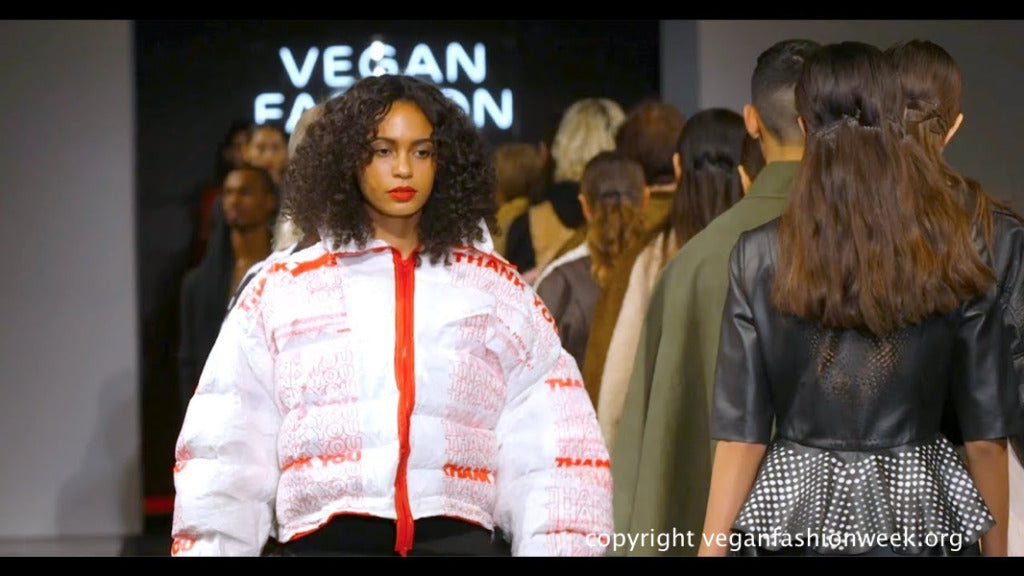
When people hear the word "vegan," many probably imagine a dietary style that excludes animal products. However, are you aware that in recent years, there has been a growing trend of people avoiding animal-derived products even in fashion items like clothes and daily goods? Why is vegan fashion drawing so much attention now? Let's explore the characteristics and challenges of vegan fashion, along with its history.
What is vegan fashion?
When considering vegan fashion, the concept of veganism itself is crucial.
The term "Vegan" was originally coined to mean "vegetarian who does not eat dairy products," but it has since expanded to mean a "lifestyle (culture) that does not use animal products."
Therefore, vegan fashion refers to a lifestyle that avoids wearing clothing made from animal-derived materials. It encompasses fashion styles that avoid animal-derived products in all types of apparel, including clothes, bags, shoes, and accessories.
Materials used in vegan fashion
So, what animal-based materials are used, conversely?

The clothes and bags you typically wear use animal-based materials like those shown in the image.
Furthermore, are you aware of the following problems associated with each?
Leather... The expansion of the meat industry, which contributes to global warming. Large amounts of chemical substances are used in the leather processing.
Column article: Vegan Fashion Course: Why is leather a problem?
Column article: Vegan Fashion Course: Why is exotic leather a problem?
Down... The production of down products requires a great many waterfowl; one jacket uses feathers from 100 to 150 birds.
Column article: Vegan Fashion Course: Why is down a problem?
Fur... Due to the overhunting of animals for their fur and unethical rearing methods, a bill prohibiting the manufacture and sale of fur products was passed in 2019, making California the first of the 50 US states to do so.
Column article: Vegan Fashion Course: Why is fur a problem?
Silk... In the silk production process, silkworms are boiled alive in their cocoons before hatching. There are also issues with genetically modified silkworms.
Column article: Vegan Fashion Course: Why is silk a problem?
In response to these issues, new materials for vegan fashion are being developed. These include bio-leather, which combines plant-based materials like apples and cacti with resin; recycled fibers made from collected PET bottles and polyester; and plant-based down derived from nuts.
How is it different from "ethical fashion"?
To discuss vegan fashion, it's important to understand ethical fashion.
Ethical fashion refers to fashion that takes into account people, the environment, and society in an ethical way. For example, you can incorporate ethical considerations into fashion by purchasing and wearing products made from recycled materials or fair trade products.
As you may already know, the Rana Plaza tragedy was a catalyst for the emphasis on "ethical fashion." This was the collapse of an 8-story commercial building called Rana Plaza in Bangladesh on April 24, 2013. It resulted in 1,127 deaths, approximately 500 missing persons, and about 2,500 injured, causing immense human casualties.
Rana Plaza building collapse
At the time, Rana Plaza housed numerous sewing factories for famous apparel brands, and many of the victims were factory workers employed in these facilities. Despite cracks being observed in the building the day before the incident, the building owner and management neglected safety precautions, leading to a large number of casualties.
This collapse, dubbed the "worst disaster in fashion industry history," brought to light the low wages and deplorable working conditions at Rana Plaza. Subsequently, numerous significant issues, such as violations of workers' rights and severe negative impacts on the environment, were uncovered throughout the fashion industry, leading to a reevaluation of the industry's practices as a whole.
In other words, in terms of pursuing forms of fashion that are ethically conscious, "vegan fashion," which seeks animal ethics, is no different. However, some "ethical fashion" items use animal-derived materials, so it might be better to consider that basic ethical principles are supplemented with animal ethics.
This is because many vegan fashion brands that are committed to ethical manufacturing with animal welfare in mind often also consider people and the global environment.
By using plant-derived materials as an alternative to animal-derived materials, they reduce the water used in processing animal-derived materials and avoid the use of chemicals harmful to human health. This not only reduces environmental impact but also helps prevent health hazards for workers.
In other words, in terms of pursuing ethically conscious forms of fashion, there should be no difference from "vegan fashion," which advocates for animal ethics. However, since some "ethical fashion" items use animal-derived materials, it might be better to think of animal ethics as an addition to the basic concept of ethical behavior.
This is because many vegan fashion brands committed to ethical manufacturing that considers animal welfare often also consider people and the global environment.
By adopting plant-based materials as alternatives to animal-derived materials, they reduce water consumption during the processing of animal-derived materials and avoid using chemicals that are harmful to human health. This also reduces the environmental burden and helps prevent health problems for workers.
Furthermore, some fashion brands operate on a system of order-based production or small-batch production. This helps prevent overstocking and the disposal of unsold items, and also prevents long working hours for employees.
"Washing" hidden within vegan and ethical fashion
So far, we've looked at vegan fashion and ethical fashion, but have you heard of the term "greenwashing"?
This refers to manipulating a company's or brand's image by using product designs and advertisements that exaggerate environmental efforts. For example, it describes superficial environmental consideration where, despite only a few percent of a product's raw materials being recycled, it is promoted as "a product that uses recycled materials and is environmentally friendly."
Another example of greenwashing is when a product explicitly states that it "does not use chemical X" even though chemical X has already been banned by law, thereby misleading consumers into believing that special consideration has been given.

It's important to be aware that such "washed" products can also exist within vegan and ethical fashion.
For example, a product touted as "vegan" might not use animal-derived materials, but animal testing may have been conducted during its manufacturing process. Or, a brand might claim to be a "vegan brand" or "ethical brand" simply by including a few vegan or ethical items among its offerings.
The terms ethical and vegan are often used with ambiguous meanings.
It is necessary to establish universal definitions and criteria to determine how much consideration is required to call something ethical or vegan.
Tips for choosing good products
So, how can you choose better products? Here are three key points to keep in mind when selecting products.
Choose products made from plant-derived materials
Among animal-friendly vegan materials, there are not only synthetic and chemical fibers but also plant-derived fibers and materials that are environmentally friendly.
Many plant-derived materials are upcycled products, transforming what would otherwise be waste into new materials, thus helping to reduce environmental impact by minimizing waste.
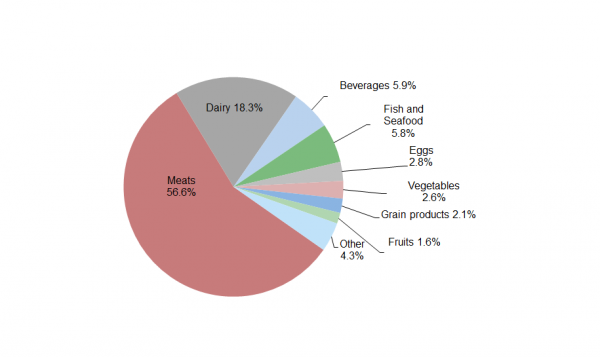
Furthermore, there is a significant difference in the amount of water, feed, and fertilizer required, as well as the amount of carbon dioxide emitted, when raising animals like cows and horses compared to growing apples or cacti. According to research by Martin C. Heller and colleagues, carbon dioxide emissions from the production of animal-derived meat and dairy products account for over 70% of total food production emissions.
By choosing products made from plant-derived materials, you can enhance your environmental efforts.
Choose fair trade products
Fair trade means "just trade." It refers to continuous trade at fair and equitable prices and working conditions, especially to protect the rights of workers in developing countries.
Fairtrade International, an international fair trade certification body, has established labels to indicate that products are fair trade. By choosing items with this label, you can help protect workers' rights.
Even without a label, many fair trade products exist. It's important to check the product's importer and country of origin, and if you have concerns, to inquire with the retailer.
Choose locally sourced products
Choosing locally produced and consumed products, rather than imported goods like fair trade items, is also a good tip for selecting better products.
By purchasing products made with locally sourced materials or processed and produced locally, you can reduce the carbon dioxide generated during product transportation, and also help protect local industries and traditions.
Furthermore, by bringing producers and consumers closer, it becomes easier to build transparent relationships, allowing producers and consumers to sell and buy products based on trust. This can prevent "washed" products from circulating and foster mutual environmental awareness.
Summary
Vegan fashion is gaining momentum with the growing demand for ethical fashion. In this article, we introduced how vegan fashion encompasses not only animal ethics but also considerations for the environment and society.
However, as mentioned in the article, even within "vegan fashion," there are various materials and products. Their characteristics are diverse, including imported and domestically manufactured goods, chemical-derived and plant-derived products.
Rather than simply equating "vegan" with "ethical," it's important for consumers to clarify the points they care about and want to consider, and then proactively choose brands and products that align with their beliefs.