


目次
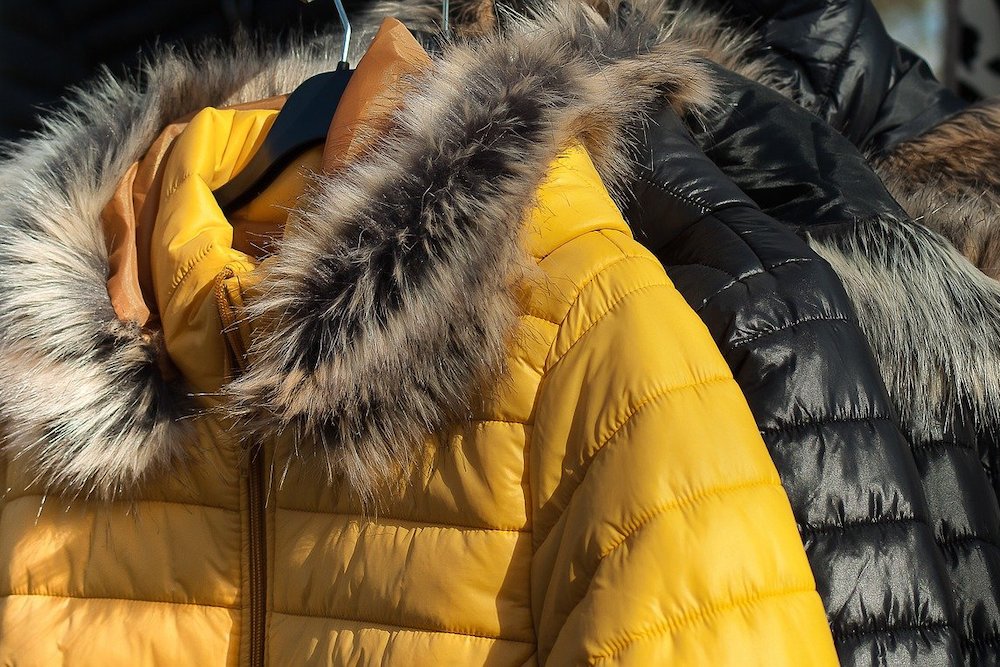
Fur products, with their excellent heat retention, are extremely useful in cold weather. They are a fashion material characterized by their unique texture and pleasant feel. Most fur products currently on the market are either real fur, made from animal hides, or fake fur (also known as eco-fur), made from synthetic fibers.
However, in recent years, the debate surrounding real fur and fake fur has become more active. Let's explore the advantages and disadvantages of each, considering the background of their respective issues, and think about what constitutes smarter product choices.
What is fur? What types are there?

Fur refers to the skin of an animal with its hair still attached. In Japan, it is also called "kegawa" (毛皮). It is a highly popular fashion material not only for its excellent heat retention and breathability but also for its high durability and longevity. Furthermore, the unique animal-derived patterns and luster of fur, along with its soft, fluffy texture, are significant characteristics.
Fur obtained from animals is dyed, patterned, and subjected to various other processes to be made into products.
There are several types of fur, particularly those used in clothing, bags, and accessories. For example, the following are some representative types:
- Fox species, such as tanuki (raccoon dogs) and raccoons
- Rabbit species, such as squirrels and rabbits
- Lamb species, mainly sheep
Ethical Issues of Real Fur Pertaining to Animals
For centuries, humans have peeled the hides of animals obtained through hunting and used them as clothing for warmth. While the ancestors of Japanese people also developed by utilizing fur, the popularization of wearing fur in Japan is said to have occurred during the bubble economy.
As fur became widely available, to meet the increasing demand, the indiscriminate hunting of animals for raw materials and the rearing of animals using unethical methods increased. As a result, American alligators, barasingha deer, and many other animals have seen their populations decline and are now on the brink of extinction.

Such unethical treatment of animals and loss of biodiversity have drawn numerous negative responses from a vegan perspective.
In response to these consumer movements, famous apparel brands such as Chanel, Prada, Stella McCartney, Gucci, and Burberry have successively declared that they will not produce products using animal-derived fur.
Furthermore, various countries and administrative units worldwide have begun to take initiatives, such as restricting the import of animal furs and enacting laws regarding animal husbandry and production.
For instance, in 2019, California passed a bill becoming the first U.S. state to ban the manufacture and sale of fur products. While this bill exempts certain types of fur such as cowhide, deer, and sheep, it is expected to prohibit obtaining fur from numerous wild animals including minks, rabbits, and beavers, with enforcement anticipated from January 2023.
Artificial Fake Fur Protecting Animal Rights
Much of what we commonly refer to as "fur" is real fur, the actual animal hide as introduced thus far. However, recently, fake fur, artificially made from synthetic fibers and other materials, has also become widely distributed.
Since fake fur is made from non-animal-derived materials, it does not infringe upon animal rights. Furthermore, fake fur is also known as eco-fur, and its ease of maintenance due to being an artificial material is one of its characteristics. While real fur is prone to decay if not properly managed and stored, fake fur is resistant to mold and insect damage, and relatively easy to care for.
Moreover, research and technological development in synthetic fibers are advancing, leading to an increase in fake furs that boast quality comparable to real fur, while also being superior in functional aspects such as being lighter.
The Debate Surrounding Real Fur and Fake Fur
While real fur faces challenges regarding animal ethics and fake fur attempts to address these challenges, when viewed from the perspective of environmental impact, another set of issues emerges.
Most fake fur is made from synthetic fibers derived from petroleum. Burning petroleum releases greenhouse gases, which are considered a direct cause of global warming. Additionally, the exact amount of petroleum buried on Earth is still unknown, and at the current rate of consumption, it is said that all of Earth's petroleum could be depleted within a few decades at the earliest. Therefore, there are strong concerns that an increase in demand for petroleum-derived fake fur will accelerate environmental pollution.
Furthermore, fake fur has lower durability compared to real fur and tends to shed more hair. Another disadvantage is that it is difficult to repair if hair falls out.
These disadvantages lead to two broad categories of environmental burden. First, due to low durability and difficulty in repair, products have a shorter lifespan, leading to more waste. Second, hair tends to shed during wear and washing, and the shed hair can become a source of microplastic pollution, potentially affecting marine life as a whole.
For these reasons, some argue that producing real fur in a safe and ethical manner would be more sustainable than producing fake fur, which has a high environmental impact.
Summary

Both real fur and fake fur have their respective advantages and disadvantages, and currently, there is no fur that can be described as "100% good."
Given this, how do you choose fur products? For animals? For the environment? Precisely because there's no single right answer, let's cultivate the ability to make better consumer choices by valuing "our own ethics."
【Reference Site】Japan Fur Association
【Reference Articles】CALIFORNIA BECOMES FIRST STATE TO BAN FUR
Let's protect wildlife from poaching and illegal trade!